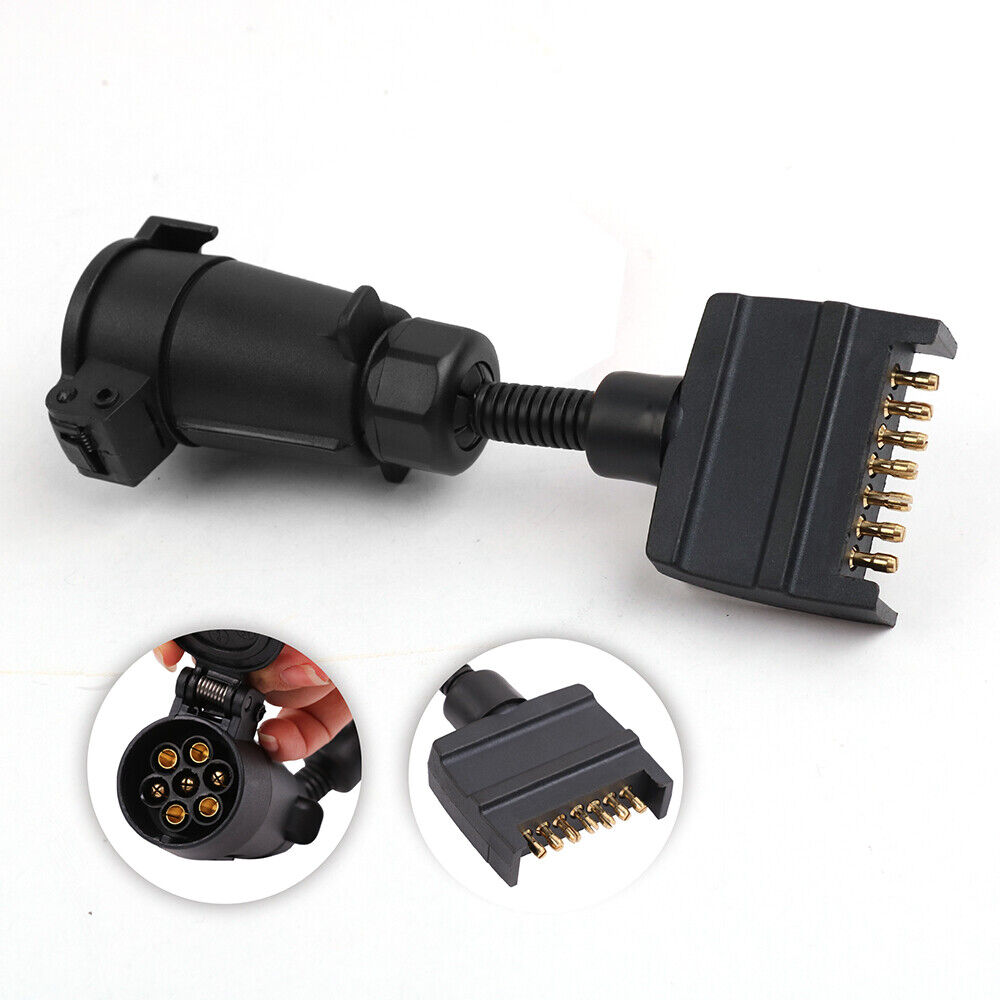
Ensure Optimal Trailer Connection: The Guide to Reliable Adapters
Every time you hitch up a trailer, caravan, or boat trailer, a critical connection needs to be made: the electrical link between your towing vehicle and the towed unit. This connection powers everything from brake lights and indicators to internal caravan lighting and refrigeration, ensuring both safety on the road and functionality at your destination. But what happens when your car's electrical socket doesn't match your trailer's plug? This is where a reliable trailer adapter becomes your indispensable tool, bridging the gap and ensuring a seamless, safe, and fully functional connection. In the world of towing, this crucial component is often known as an **Adapter Til Trailer**, and understanding its role is key to stress-free journeys.
What is a Trailer Adapter and Why Do You Need One?
A trailer adapter is a simple yet ingenious device designed to convert the electrical pin configuration of your towing vehicle's socket to match that of your trailer's plug, or vice versa. The most common scenario involves two primary types of connectors: 7-pin and 13-pin. Over time, electrical standards for trailers have evolved, leading to a situation where older vehicles might have one type of connector, while newer trailers (or vice versa) feature another.
The core purpose of an adapter is to ensure that all necessary electrical signals are correctly transmitted from your car to your trailer. Without a functioning adapter, or with a poorly designed one, you risk:
- Non-functional lights: Indicators, brake lights, and tail lights are crucial for road safety, signaling your intentions to other drivers.
- Lack of auxiliary power: Modern caravans and boat trailers often require additional power for charging internal batteries, running fridges, or operating winches, which 7-pin connectors cannot typically supply.
- Legal compliance issues: Driving with faulty or non-existent trailer lights can lead to fines and, more importantly, dangerous situations.
By simply clicking an adapter into place, you bypass the need for complex and costly rewiring, making the connection process quick, easy, and reliable. It’s a true plug-and-play solution for instant compatibility.
The Pin Puzzle: Understanding 7-Pin and 13-Pin Connectors
To truly appreciate the value of a good trailer adapter, it helps to understand the two main types of electrical connectors you’ll encounter:
7-Pin Connectors
The 7-pin connector is an older, more traditional standard, primarily designed to handle basic lighting functions. Each pin typically corresponds to a specific light or ground:
- Left indicator
- Rear fog light
- Earth return
- Right indicator
- Right tail light / Side lights
- Brake lights
- Left tail light / Side lights
This setup is perfectly adequate for utility trailers, older caravans, or boat trailers that only require essential road lighting. Its simplicity has made it a robust and widely used standard for many years.
13-Pin Connectors
The 13-pin connector is a more modern standard, offering greater versatility and additional functionalities beyond basic lighting. It incorporates all the functions of a 7-pin connector, plus several extra connections for auxiliary power and advanced features:
- All 7-pin functions (indicators, brake lights, tail lights, fog light, earth)
- Reverse lights (a crucial safety feature for maneuvering trailers)
- Permanent power supply (for charging caravan batteries, running internal lights or appliances when parked)
- Switched power supply (often for the caravan fridge, powered only when the engine is running)
- Additional earth returns for these auxiliary circuits
This makes the 13-pin connector ideal for modern caravans, larger boat trailers with electric winches, or any trailer requiring more than just basic illumination.
The disparity between these two standards is precisely why a high-quality trailer adapter is so vital. It’s the simplest way to navigate this "pin puzzle" without compromise.
Types of Trailer Adapters: Bridging the Gap Seamlessly
Given the two primary pin configurations, there are two main types of trailer adapters designed to create seamless compatibility:
- Adapter from 7-pin Car to 13-pin Trailer: This adapter is for situations where your towing vehicle has the older 7-pin socket, but your trailer (perhaps a newer caravan or a utility trailer with reverse lights) requires a 13-pin plug. The adapter intelligently routes the available 7-pin signals to the correct 13-pin connections. While it won't magically create new power lines for auxiliary functions that weren't present in the 7-pin car socket, it ensures all standard lighting functions are correctly transmitted.
- Adapter from 13-pin Car to 7-pin Trailer: Conversely, if you have a modern car with a 13-pin socket, but your trailer is an older model with a 7-pin plug, this adapter is what you need. It effectively "down-converts" the 13-pin output, allowing your car's advanced electrical system to communicate perfectly with your trailer's simpler 7-pin requirements. This means all the essential lights on your 7-pin trailer will function correctly.
Both models are typically designed to be short and compact, minimizing strain on the connection points and reducing the risk of damage. They are manufactured from robust plastic, ensuring durability and resistance to the elements, guaranteeing a reliable connection even in challenging weather conditions.
The Undeniable Benefits of a Quality Trailer Adapter
Investing in a robust and reliable **Adapter Til Trailer** offers a multitude of benefits that enhance safety, convenience, and peace of mind on every journey:
- Effortless Compatibility: The most obvious advantage is instant compatibility. No need for electrical modifications on either your car or your trailer. Simply plug in the adapter, and you're ready to go.
- Enhanced Safety: A proper electrical connection means all your trailer's lights – brake, tail, and indicators – function as intended. This is paramount for alerting other drivers to your presence and intentions, significantly reducing the risk of accidents.
- Universal Versatility: High-quality adapters are designed for universal application across all trailer brands. Whether you own an EURO Trailer, Variant, Brenderup, Humbaur, Neptun, Eduard, or any other manufacturer's trailer, these adapters are engineered to provide a secure and reliable link. This universality saves you from needing multiple adapters for different trailers. For more insights on this, read our article: Universal Trailer Adapters: Robust & Easy Plug-and-Play Solutions.
- Cost-Effective Solution: The alternative to using an adapter – hiring an electrician to rewire your car or trailer – can be significantly more expensive and time-consuming. An adapter is a one-time, affordable purchase that solves the problem permanently.
- Durability and Reliability: Constructed from robust plastic, quality adapters are built to withstand the rigors of outdoor use, including vibrations, moisture, and temperature fluctuations. This ensures a consistent and reliable electrical flow, trip after trip.
- Plug-and-Play Convenience: The ease of use cannot be overstated. There are no complex instructions or tools required. Just connect the adapter, and you have a secure electrical bridge.
Choosing the Right Adapter: Factors to Consider
When selecting an **Adapter Til Trailer**, a few key considerations will ensure you pick the best product for your needs:
- Identify Your Current Setup: First, check your car's socket and your trailer's plug. Do you need a 7-pin to 13-pin adapter, or a 13-pin to 7-pin adapter? This is the most crucial step.
- Build Quality and Material: Always opt for adapters made from robust, high-quality plastic. This ensures resistance to impact, UV radiation, and harsh weather conditions. Look for solid construction that feels durable in your hand.
- Compact Design: A short, compact design is preferable as it minimizes leverage and strain on the connection points, reducing the likelihood of damage or accidental disconnection during transit.
- Weather Sealing: Ensure the adapter offers good weather sealing to protect the internal electrical contacts from moisture, dirt, and corrosion, which can lead to intermittent connections or complete failure.
- Brand Reputation: While adapters are universal, purchasing from reputable suppliers or brands known for quality trailer parts (like those mentioned earlier) can provide extra assurance of reliability and longevity.
For a detailed breakdown of how to match your needs with the perfect adapter, explore our guide:
Choose the Right Trailer Adapter: 7-Pin to 13-Pin Solutions.
Ensuring Optimal Performance: Installation and Maintenance Tips
Once you have your adapter, ensuring its longevity and consistent performance is straightforward:
- Proper Connection: Always ensure the adapter is firmly seated in both the car's socket and the trailer's plug. You should hear or feel a positive click. Avoid forcing the connection; if it doesn't fit easily, double-check the pin configurations.
- Visual Inspection: Before each use, quickly inspect the adapter and both the car and trailer connectors. Look for any signs of corrosion, bent pins, cracked plastic, or frayed wires. Clean any dirt or debris with a soft brush.
- Keep it Clean and Dry: When not in use, store your adapter in a clean, dry place, away from direct sunlight and extreme temperatures. If it gets wet, ensure it's fully dry before storing to prevent internal corrosion.
- Avoid Strain: When connected, ensure there isn't excessive tension or sharp bends in the adapter or connecting cables. Route the cables in a way that allows for vehicle movement without stretching the connections.
- Test Regularly: Before every journey, do a quick test of all your trailer lights: indicators, brake lights, tail lights, and reverse lights (if applicable). This simple check confirms your electrical connection is sound and safe.
Conclusion
A reliable trailer adapter, often searched for as an **Adapter Til Trailer**, is far more than just a piece of plastic; it's a critical component for safe and hassle-free towing. It eliminates compatibility headaches, ensures all vital lights and functions operate correctly, and provides a durable, cost-effective solution for anyone regularly towing a trailer, caravan, or boat. By understanding the different pin configurations and choosing a high-quality, robust adapter, you invest in peace of mind, knowing that your electrical connection is secure and your journey will be a smooth one. Don't compromise on this small but mighty piece of equipment; it's the link that keeps you safely connected on the road.